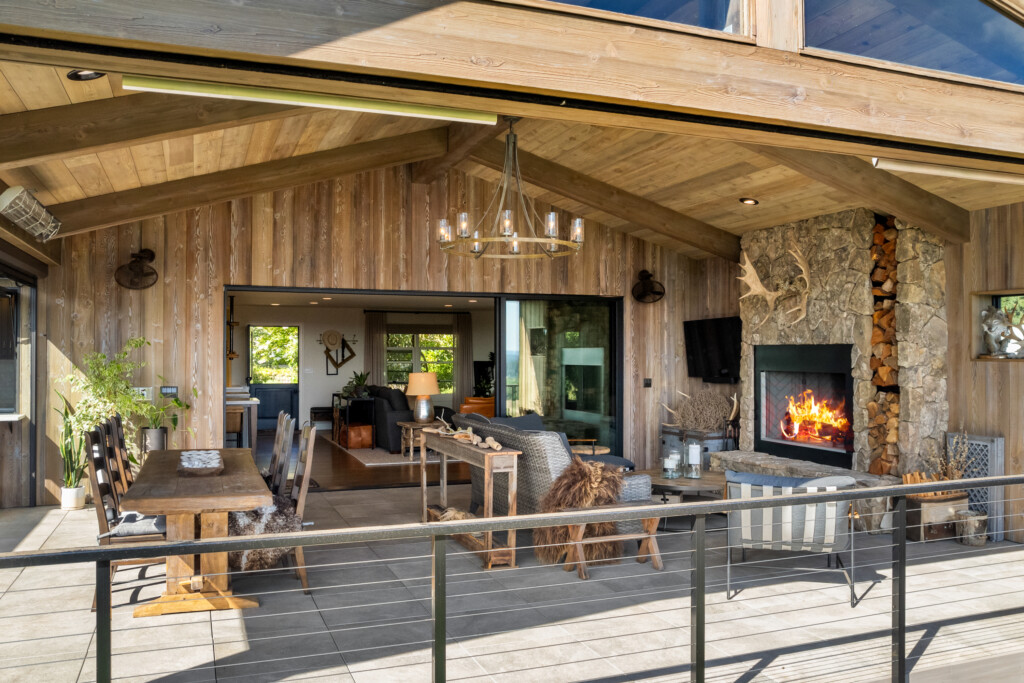
How Mbrico Tile Decks Differ From Traditional Decking
How Mbrico Tile Decks Differ From Traditional Decking
February 9, 2026
Choosing a decking system is no longer just about surface appearance. Performance, longevity, safety, and maintenance all play a major role in how well a deck holds up over time. Mbrico Tile Decks were engineered to address the most common failures found in traditional wood and composite decking by rethinking how outdoor decks are built from the ground up.
This guide explains how Mbrico differs from traditional decking systems in practical, real world terms.
Understanding the Limitations of Traditional Decking
Traditional decking typically relies on wood boards or composite planks fastened directly to a framed structure. While this approach is familiar, it introduces several long term challenges that affect performance and ownership.
Common issues with traditional decking include:
- Warping and movement caused by moisture and temperature changes
- Surface fading and discoloration from UV exposure
- Heat retention that makes decks uncomfortable in warm weather
- Limited access to waterproofing and drainage systems below
- Ongoing maintenance such as sealing, staining, and board replacement
These problems are not installation mistakes. They are inherent to the materials and construction methods used.
A System Based Approach Instead of Surface Fastening
Mbrico Tile Decks are designed as a complete system rather than a surface applied finish. Porcelain tiles rest on adjustable pedestals and engineered aluminum tracks instead of being fastened directly to joists.
This approach creates a floating deck surface that can be precisely leveled, easily accessed, and serviced over time.
Key system advantages include:
- Adjustable height to accommodate slopes and drainage
- No fasteners penetrating waterproofing layers
- Individual tiles can be lifted and replaced if needed
- Clear access to drains, membranes, and utilities below
This system based design is especially valuable on rooftops, balconies, plazas, and commercial decks.
Material Performance: Porcelain vs Wood and Composite
Traditional decking materials rely on treatments and coatings to survive outdoors. Porcelain tile is engineered for outdoor durability by design.
Wood and composite decking
- Absorb heat and retain surface temperature
- Expand and contract with weather cycles
- Fade, stain, or degrade over time
- Can splinter, crack, or warp
Mbrico porcelain tile
- Non combustible and non porous
- UV stable with consistent color retention
- Resistant to moisture, stains, mold, and freeze thaw cycles
- Does not warp, cup, or splinter
Porcelain tiles are kiln fired at extremely high temperatures, creating a dense material that remains stable in demanding environments.
Surface Temperature and Comfort
One of the most noticeable differences between Mbrico and traditional decking is surface temperature.
Wood and composite decks can become uncomfortably hot in direct sunlight, especially darker colors. This often limits usability during peak daytime hours.
Mbrico porcelain tiles reflect a significant portion of solar energy rather than absorbing it. This results in a surface that stays cooler to the touch and more comfortable for barefoot traffic.
For rooftops, pool decks, and high exposure areas, this difference directly impacts how often the space can be used.
Drainage and Moisture Management
Traditional decks allow water to fall through gaps between boards, but often provide little control over where that water goes.
Mbrico systems intentionally elevate the tile surface, allowing water to move freely beneath the deck and toward designed drainage paths. This reduces long term moisture exposure to structural components and supports better waterproofing performance.
Improved drainage contributes to longer system life and fewer maintenance issues over time.
Fire and Safety Considerations
Fire ratings and slip resistance are becoming increasingly important in both residential and commercial projects.
- Wood decking is combustible
- Many composite products have limited fire ratings
- Porcelain tile is naturally non combustible
Mbrico tiles also feature slip resistant surfaces designed to perform when wet or dry. This makes them well suited for pool decks, rooftops, and hospitality environments where safety is critical.
Installation Accuracy and Long Term Stability
Traditional decking requires near perfect framing to achieve a flat surface. Any inconsistencies in the structure often show through the finished deck.
Mbrico pedestals are height adjustable, allowing installers to fine tune level during installation. This makes it easier to achieve a clean, flat surface even over sloped substrates required for drainage.
The aluminum track system provides structural stability without the expansion and contraction issues commonly seen in wood and composite assemblies.
Maintenance and Ownership Costs
Decking should be evaluated over its entire lifespan, not just at installation.
Traditional decks often require:
- Regular sealing or staining
- Periodic board replacement
- Increased inspection due to moisture exposure
Mbrico Tile Decks are designed for minimal maintenance:
- No sealing or refinishing
- Simple cleaning with water and mild detergent
- Easy tile replacement if damage occurs
Over time, this can significantly reduce maintenance costs and disruption.
Final Perspective
Traditional decking systems are familiar, but familiarity does not equal performance. Mbrico Tile Decks differ by treating outdoor flooring as an engineered system rather than a surface applied product.
By combining porcelain tile, adjustable pedestals, and aluminum track design, Mbrico addresses many of the durability, safety, and maintenance challenges that continue to affect traditional decks.
For projects where long term performance, architectural consistency, and system reliability matter, the difference is clear.
Contact Us