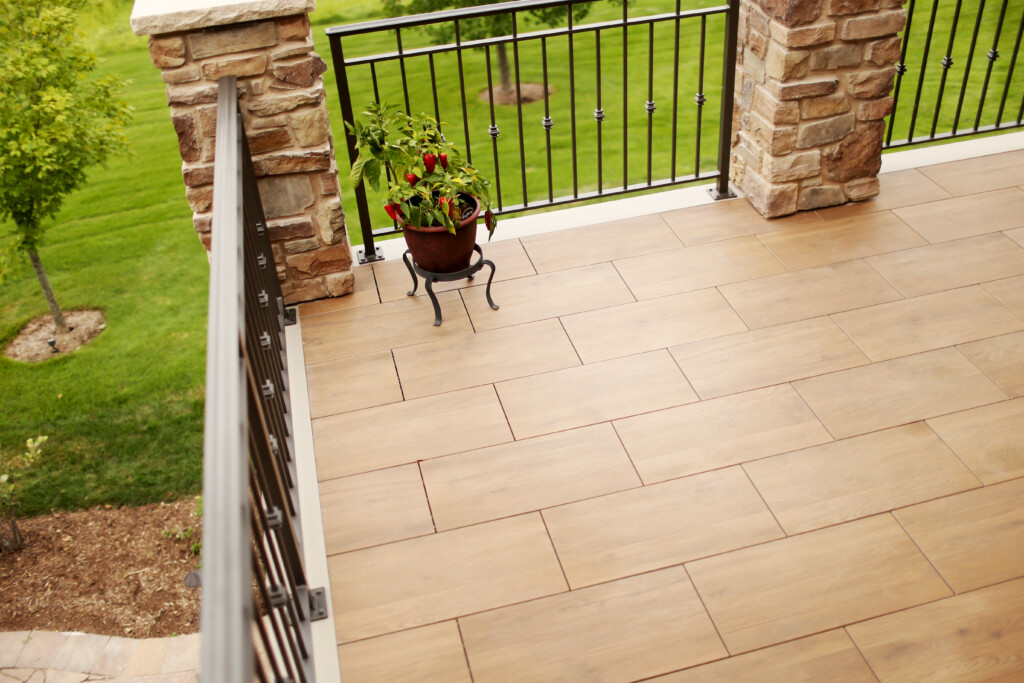
Structural Failures in Elevated Deck Systems: Why Deck Safety Starts Below the Surface
Structural Failures in Elevated Deck Systems: Why Deck Safety Starts Below the Surface
May 21, 2026
Elevated decks are more than outdoor living spaces.
They are structural systems.
Whether attached to a residential home, integrated into a multifamily balcony, or installed as part of a commercial amenity space, an elevated deck must support people, furniture, weather exposure, movement, and long-term use.
When elevated deck systems fail, the cause is rarely cosmetic. The problem usually begins below the surface, where framing, connections, fasteners, moisture management, and material selection determine whether the deck performs safely over time.
For architects, builders, property owners, and homeowners, understanding why deck systems fail is essential to designing safer, longer-lasting outdoor spaces.
Why Elevated Deck Systems Fail
Most elevated deck failures are not caused by a single issue. They are usually the result of multiple weaknesses working together over time.
Common causes include:
- Improper ledger board connections
- Inadequate flashing or moisture protection
- Rot or deterioration in wood framing
- Corroded or undersized fasteners
- Poor post-to-beam connections
- Improper joist spacing or support
- Excessive surface movement
- Materials that degrade under weather exposure
- Installation methods that do not account for long-term structural performance
According to deck safety resources from NADRA and the American Wood Council, ledger board connection failure is one of the most common causes of deck collapse, especially where decks are attached to a primary structure with improper fasteners or nail-only connections.
That matters because the surface of the deck may look fine while the underlying structure is compromised.
The Ledger Board Problem
For attached elevated decks, the ledger board is one of the most important structural components. It connects the deck to the building and helps transfer loads back into the primary structure.
When this connection is improperly designed, improperly fastened, or exposed to moisture, the deck can separate from the building.
Common ledger-related issues include:
- Nail-only connections
- Fasteners that are too small or incorrectly spaced
- Missing or poorly installed flashing
- Water intrusion behind the ledger
- Rot in the ledger or rim joist
- Lack of lateral load resistance
- Improper connection to the building structure
The American Wood Council notes that deck ledgers should be positively connected to the main building structure with appropriate bolts or lag screws, not nails alone.
This is why deck safety is not just about what people walk on. It is about how the entire system is connected.
Moisture Intrusion and Hidden Deterioration
Water is one of the most damaging forces in elevated deck construction.
Moisture can enter through gaps, failed flashing, exposed fastener penetrations, poor drainage, or surface materials that absorb water. Over time, that moisture can contribute to rot, swelling, corrosion, mold, mildew, and structural weakening.
The danger is that moisture-related damage is often hidden.
A deck may still look usable from above while framing members, fasteners, or ledger connections are deteriorating below the walking surface.
This is especially important in:
- Freeze-thaw climates
- Coastal environments
- Poolside applications
- Multifamily balconies
- Rooftop decks
- Elevated residential decks
- Hospitality and amenity spaces
In these environments, surface material selection and system design both matter.
Fasteners and Connections Matter
A deck is only as strong as its connections.
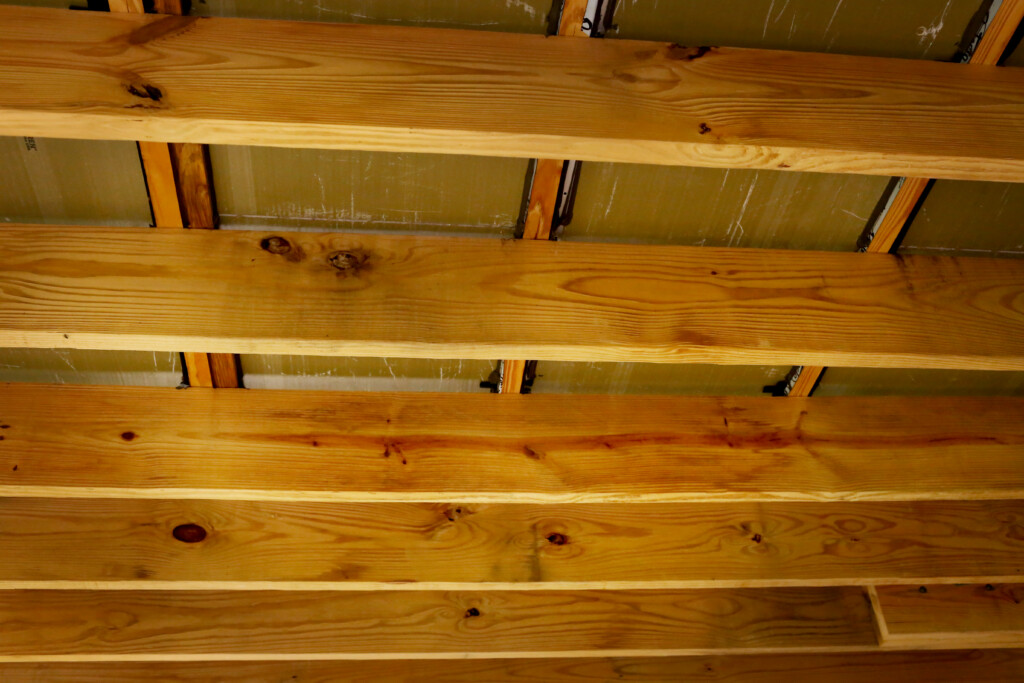
Even when framing members are properly sized, weak or incorrect connections can create serious safety issues. Fasteners must be designed for structural loads, exterior exposure, corrosion resistance, and compatibility with the surrounding materials.
Common fastener and connection problems include:
- Using nails where structural screws or bolts are required
- Using non-rated screws
- Incorrect hanger installation
- Missing joist hanger nails
- Corroded hardware
- Poor post-to-beam connections
- Improper attachment to the structure
- Fasteners that loosen over time due to movement
Elevated decks experience vertical loads, lateral loads, vibration, wind, temperature changes, and repeated foot traffic. If the system relies on weak connections, those forces can compound over time.
The Surface Can Affect Long-Term Performance
The deck surface is not always the structural frame, but it still plays an important role in overall performance.
A surface material that absorbs moisture, expands, contracts, warps, fades, or requires frequent maintenance can create long-term issues. Gaps may widen. Boards may cup or move. Fasteners may loosen. Water may become trapped. Maintenance needs may increase.
This is where traditional decking materials can create challenges.
Wood decking requires ongoing sealing, staining, and maintenance. Composite decking reduces some maintenance, but can still experience heat retention, surface wear, movement, staining, and long-term aesthetic decline. Pavers and pedestal systems may create challenges related to movement, wobble, drainage, or wind uplift depending on the application.
For elevated decks, the walking surface should support the broader goal of long-term system performance.
Why Complete System Design Matters
Deck failures often happen when the deck is treated as a collection of separate parts instead of a complete system.
Framing, connections, drainage, surface materials, fasteners, movement control, and installation method all need to work together.
A durable elevated deck system should consider:
- Structural framing requirements
- Proper load transfer
- Code-compliant connections
- Moisture management
- Drainage
- Freeze-thaw performance
- Wind exposure
- Slip resistance
- Fire resistance
- Long-term maintenance
- Surface stability
- Material durability
This is especially important for elevated applications, where failure has higher consequences than a ground-level patio or walkway.
How Mbrico Supports Safer, Longer-Lasting Elevated Deck Design
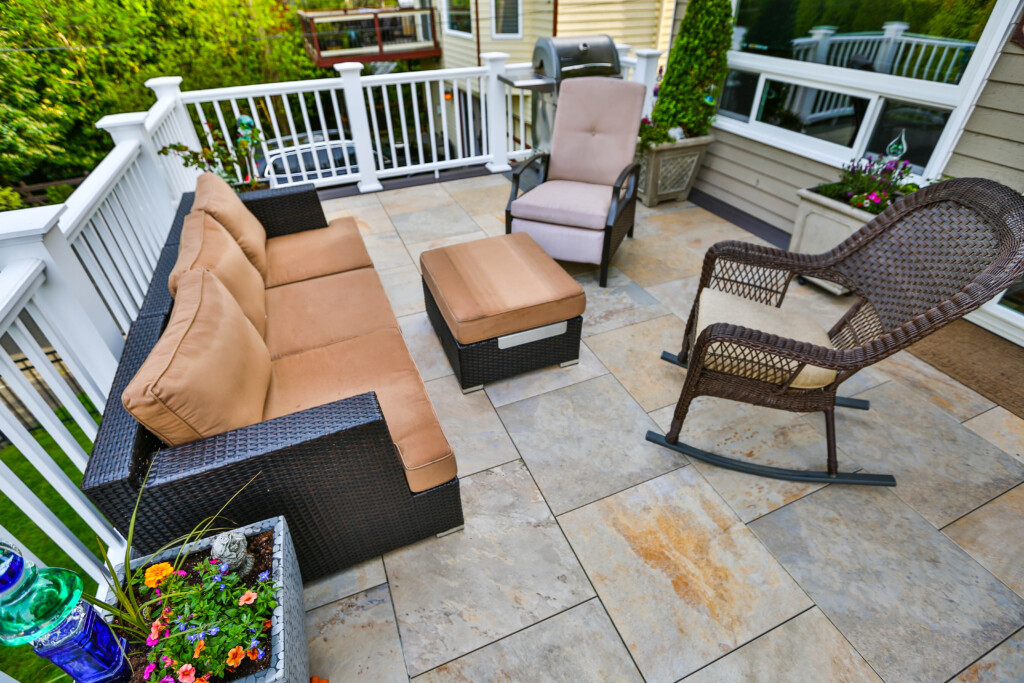
Mbrico reinforced porcelain tile deck systems are engineered to bring long-term performance to elevated outdoor surfaces.
Rather than relying on loose surface materials or traditional decking boards, Mbrico uses a patented reinforced porcelain tile system designed for elevated decks, balconies, rooftops, and other exterior applications.
The system combines premium porcelain aesthetics with performance-focused engineering, including:
- Reinforced porcelain tile construction
- Mechanical fastening for long-term surface stability
- Self-spacing installation
- Free-draining system design
- Resistance to rot, mold, moss, mildew, and moisture absorption
- Freeze-thaw durability
- Fire-resistant porcelain surface performance
- Low-maintenance exterior use
- Long-term dimensional stability
- Premium stone, wood, concrete, and architectural finishes
Mbrico does not replace the need for proper structural framing, engineering, or code-compliant construction. The framing, ledger, beams, posts, and connections must still be designed and installed correctly.
However, once the structure is properly built, Mbrico provides a durable, mechanically fastened porcelain deck surface designed to perform in demanding exterior environments.
Deck Safety Starts Before the Surface Is Installed
A beautiful deck is not automatically a safe deck.
True deck performance begins with the structure below the surface. Ledger connections, flashing, framing, fasteners, drainage, and material selection all play a role in long-term safety.
For homeowners, that means inspections and proper installation matter.
For builders, that means every connection should be treated as part of the system.
For architects and specifiers, that means surface materials should be evaluated not only for appearance, but also for durability, maintenance, fire resistance, freeze-thaw performance, and long-term exterior performance.
Elevated decks are designed for people, gathering, movement, furniture, and everyday use.
They should be built with systems that support those expectations for the long term.
Contact Us