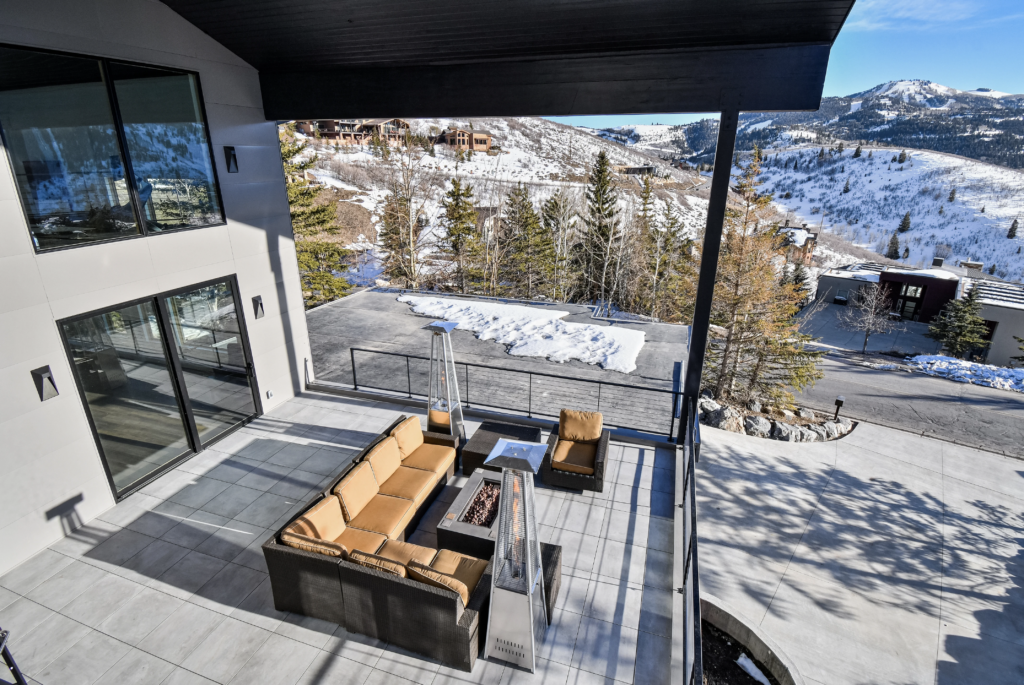
How Mbrico Tile Decks Perform in Freeze Thaw Climates
How Mbrico Tile Decks Perform in Freeze Thaw Climates
February 9, 2026
Freeze thaw conditions are one of the most demanding environments for any outdoor decking system. Repeated cycles of moisture absorption, freezing temperatures, and expansion place constant stress on materials. Over time, this process exposes weaknesses in traditional decking and hardscape solutions.
Mbrico Tile Decks are engineered to perform in these conditions by combining porcelain tile with a system designed to manage water, movement, and temperature change.
Why Freeze Thaw Cycles Damage Decking
Freeze thaw damage occurs when moisture enters a material, freezes, expands, and then thaws repeatedly. Each cycle increases internal stress, leading to visible and structural failures.
Common freeze thaw problems include:
- Cracking and surface spalling
- Warping and material movement
- Loosening fasteners and connections
- Accelerated deterioration of finishes
Decking systems that cannot manage moisture effectively are especially vulnerable.
Traditional Decking Materials in Cold Climates
Many common decking materials struggle in regions with long winters and frequent temperature swings.
Wood decking
- Absorbs moisture that freezes within the fibers
- Cracks, splinters, and warps over time
- Requires frequent maintenance and replacement
Composite decking
- Absorbs less water than wood, but still retains moisture
- Can expand and contract significantly with temperature changes
- Surface damage and movement may appear over multiple seasons
These issues often develop gradually and become costly to address once the deck is in service.
Porcelain Tile and Freeze Thaw Resistance
Porcelain tile performs well in freeze thaw environments because of its dense, non porous structure. During manufacturing, porcelain is fired at extremely high temperatures, creating a material with very low water absorption.
Key porcelain characteristics include:
- Minimal moisture absorption
- High resistance to cracking and spalling
- Stable performance across temperature extremes
- No degradation of surface finishes
Because water cannot penetrate the tile body, there is little opportunity for freeze related expansion to occur.
How Mbrico’s System Supports Cold Weather Performance
Freeze thaw resistance is not only about surface material. The system beneath the tile plays a critical role.
Mbrico Tile Decks use adjustable pedestals and aluminum tracks to create an elevated, floating surface. This design allows water to drain freely below the deck rather than becoming trapped.
System level advantages include:
- Effective drainage beneath the tile surface
- Reduced ice buildup at the walking surface
- No trapped moisture within framing
- Accommodation for natural thermal movement
By preventing water from being locked into the system, Mbrico reduces the stress caused by freezing and thawing.
Stability Through Seasonal Temperature Swings
Cold climate decks must handle rapid changes between freezing nights and warmer daytime temperatures. These fluctuations can cause expansion and contraction that leads to surface movement and misalignment.
Mbrico’s aluminum track system provides consistent support without the instability seen in wood or composite framing. Aluminum resists moisture damage and maintains structural integrity through repeated temperature cycles.
The result is a deck surface that remains level and secure year after year.
Snow, Ice, and Maintenance Considerations
Snow and ice management are unavoidable in freeze thaw regions. Mbrico porcelain tiles provide practical advantages during winter maintenance.
- Tiles do not absorb moisture that leads to cracking
- Smooth, durable surfaces resist damage from snow removal tools
- No coatings or finishes to degrade under salt exposure
Proper snow removal practices should always be followed, but the material itself is well suited for cold weather use.
Real World Applications in Cold Climates
Mbrico Tile Decks are commonly used in:
- Rooftop terraces in northern cities
- Balconies and podium decks
- Commercial plazas and walkways
- Residential patios in cold regions
In these applications, freeze thaw durability directly impacts safety, appearance, and long term ownership costs.
Final Perspective
Freeze thaw cycles expose the limitations of many outdoor decking materials. Moisture absorption, trapped water, and material movement are the root causes of most cold climate failures.
Mbrico Tile Decks address these challenges through dense porcelain tile and a system designed for drainage and thermal stability. For projects in cold and variable climates, this approach provides reliable performance where traditional decking often falls short.
Contact Us