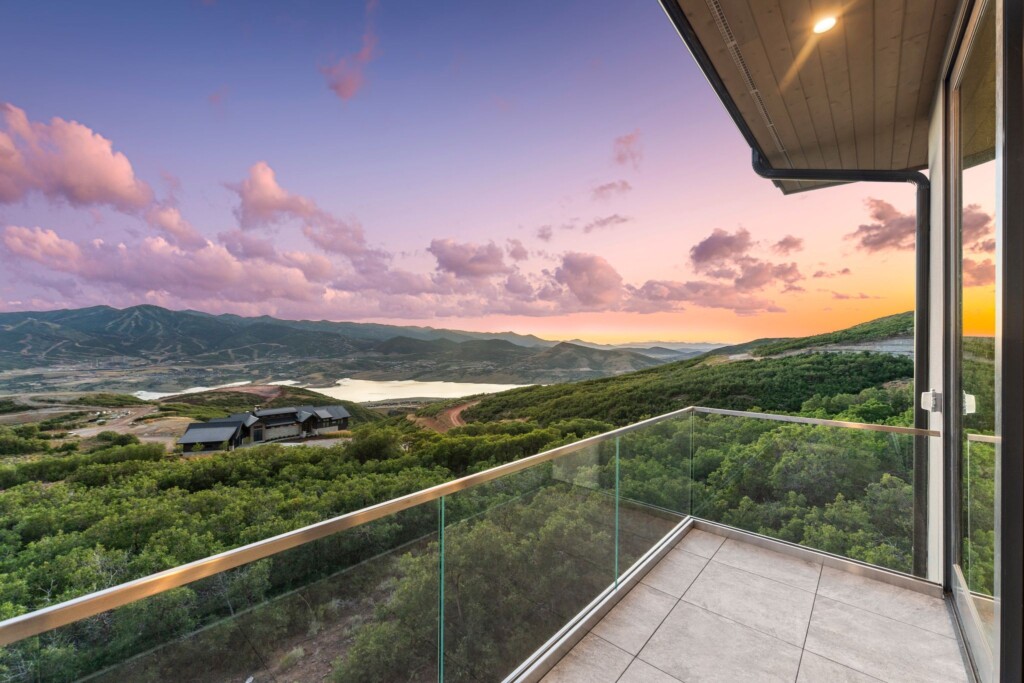
What Is Fire-Rated Decking? Class A Decking Explained
What Is Fire-Rated Decking? Class A Decking Explained
May 18, 2026
Fire resistance is no longer optional in many regions.
Wildfire-prone areas, urban rooftops, balconies, and multi-family developments are all facing stricter fire code requirements. Yet many decking materials are still evaluated primarily by appearance and cost rather than fire performance.
So what does “fire-rated decking” actually mean?
And more importantly, which decking materials truly meet the standard?
For architects, builders, developers, and homeowners comparing fire-rated decking options, Mbrico’s reinforced porcelain deck system offers a non-combustible, Class A fire-rated surface designed for rooftops, balconies, elevated decks, and exterior outdoor living spaces.
What Is Fire-Rated Decking?
Fire-rated decking refers to materials that have been tested and classified based on how they respond to flame exposure.
These ratings are established through standardized testing, most commonly under ASTM E84, which measures:
- Flame spread
- Smoke development
- Combustibility
The result is a classification system that determines how safely a material performs in a fire scenario.
For exterior deck systems, the goal is not simply to look durable. The goal is to reduce ignition risk, limit flame spread, and support long-term safety in demanding environments.
Understanding Fire Ratings: Class A, B, and C
Class A (Highest Rating)
A Class A material typically has a flame spread index of 0–25 and offers the highest level of fire resistance.
This rating is often required or preferred in wildfire-prone zones, rooftop applications, commercial projects, and multi-family developments.
Class B
Class B materials have a flame spread index of 26–75 and offer moderate fire resistance.
These materials may meet code in less restrictive areas but may not be suitable for high-risk exterior applications.
Class C
Class C materials have a flame spread index of 76–200 and offer the lowest recognized level of fire resistance.
These materials are typically not ideal for fire-sensitive environments.
Bottom line: If fire performance matters, Class A decking is the benchmark.
How Common Decking Materials Perform
Wood Decking
Wood decking is naturally combustible.
While fire-retardant treatments exist, wood can still ignite, char, and sustain flame spread. Treatments may also degrade over time, especially in exterior environments exposed to moisture, UV, and wear.
Composite Decking
Composite decking often contains wood fibers, plastics, or polymer-based materials.
While some composite products are marketed as fire resistant, performance varies by formulation. In high heat, composite decking may melt, warp, smoke, or contribute to flame spread.
Some products may achieve Class B or limited Class A ratings with additives, but that does not make all composite decking non-combustible.
PVC Decking
PVC decking can offer better fire performance than traditional wood, but it is still a plastic-based material.
Under high heat, PVC may melt or deform. Fire performance depends heavily on the specific formulation and testing.
Concrete Pavers
Concrete pavers are non-combustible surface materials and are often used in pedestal systems.
However, system performance depends on the full assembly, including supports, fastening, spacing, drainage, and movement. A non-combustible surface alone does not automatically create a fully reliable exterior deck system.
Porcelain Decking
Porcelain is inherently non-combustible.
It does not ignite, sustain flame, or contribute fuel to a fire. This makes reinforced porcelain decking one of the strongest material choices for fire-rated outdoor surfaces.
Mbrico builds on that material advantage with a reinforced porcelain deck system designed for long-term exterior performance.
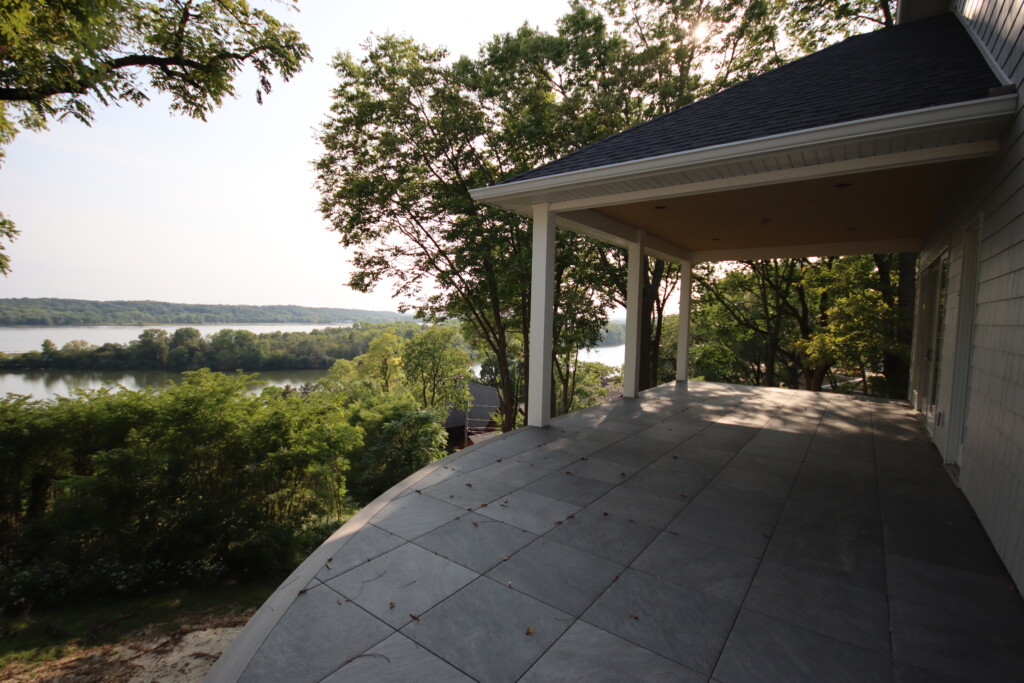
Round Cut Finish | Iowa
Why Mbrico Is Different
Mbrico is not just a porcelain tile surface.
It is a patented reinforced porcelain deck system engineered for exterior applications, including rooftops, balconies, elevated decks, patios, and multi-family outdoor spaces.
Mbrico systems combine:
- Class A fire-rated porcelain performance
- Non-combustible surface material
- Reinforced tile construction
- Mechanically fastened stability
- Long-term resistance to rot, warping, fading, and moisture
- Freeze-thaw durability
- Low-maintenance exterior performance
Unlike wood, composite, or PVC decking, Mbrico does not rely on combustible material composition to create the walking surface.
That makes it a stronger option for projects where fire safety, durability, and architectural appearance all matter.
The Missing Piece: System-Level Fire Performance
Most decking conversations stop at the surface material.
That is a mistake.
Fire performance often depends on more than the top layer. Substructures, fastening methods, supports, airflow, spacing, and installation methods all influence real-world performance.
This is where many “fire-rated decking” claims fall short.
A non-combustible surface installed over an unstable, combustible, or poorly designed assembly may still create risk.
Mbrico is engineered as a complete porcelain deck system, not simply a loose surface product. Its mechanically fastened design helps create a more stable and predictable exterior walking surface compared to loose-laid alternatives.
Why Porcelain Changes the Equation
Porcelain is inherently non-combustible.
It does not:
- Ignite
- Sustain flame
- Contribute fuel to a fire
- Rot or warp
- Require fire-retardant coatings
- Depend on surface treatments for long-term performance
This matters because fire resistance should not be temporary.
A decking material used in rooftop, balcony, or wildfire-prone environments should maintain its performance over time.
Fire Performance in Rooftop and Urban Applications
Fire-rated decking is especially important in:
- Rooftop decks
- Balconies
- Multi-family housing
- Mixed-use developments
- Hospitality spaces
- Wildland-urban interface zones
- High-density urban environments
In these settings, flame spread across exterior surfaces can quickly become a serious safety concern.
That is why architects and builders increasingly look for non-combustible decking materials that combine fire resistance with long-term durability.
Mbrico is well suited for these applications because it offers the appearance of premium exterior tile with the performance advantages of a reinforced porcelain deck system.
What to Look for in Fire-Rated Decking
When evaluating fire-rated decking materials, focus on:
- Verified Class A fire rating
- Non-combustible surface composition
- Full system performance, not just surface claims
- Long-term durability without coatings or treatments
- Resistance to moisture, freeze-thaw cycles, and UV exposure
- Compatibility with local fire codes
- Suitability for rooftop, balcony, and elevated deck applications
For projects where both design and fire performance matter, Mbrico offers a strong alternative to wood decking, composite decking, PVC decking, and loose-laid paver systems.
Where Most Decking Materials Fall Short
Many products marketed as “fire-resistant decking” rely on:
- Surface-level treatments
- Additives that may degrade over time
- Partial testing
- Combustible core materials
- Conditions that may not reflect real installations
Fire performance should not be treated as a temporary feature.
It should be inherent to the material and supported by the system.
That is one of the biggest advantages of Mbrico’s reinforced porcelain deck system. The walking surface is porcelain, meaning fire resistance is part of the material itself, not an afterthought.
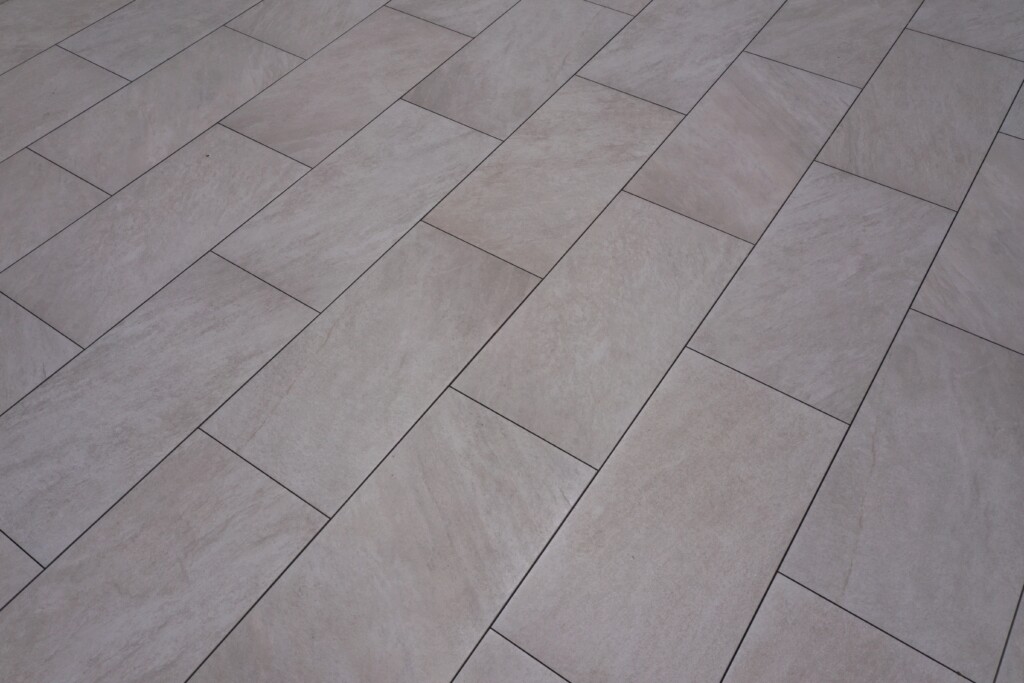
Riverside Grille | Bettendorf, IA
The Shift Toward Non-Combustible Decking
As codes tighten and fire risks increase, the decking industry is moving toward:
- Non-combustible surfaces
- Fully engineered exterior systems
- Class A fire-rated materials
- Long-term performance validation
- Safer rooftop and balcony assemblies
This shift mirrors what has already happened in roofing, cladding, and building envelope design.
Performance is no longer optional.
For many projects, fire-rated decking is becoming a baseline requirement.
Final Takeaway
Fire-rated decking is not just about passing a test.
It is about how a deck system behaves when safety matters most.
Class A materials set the standard.
Non-combustible systems raise it even further.
For rooftops, balconies, elevated decks, multi-family projects, and wildfire-prone areas, Mbrico reinforced porcelain deck systems offer a fire-rated, low-maintenance, and architecturally refined alternative to traditional decking materials.
When fire resistance matters, the surface and the system both matter.
Mbrico delivers both.
Contact Us