
Mbrico vs Tile Tech: Engineered Deck System vs Pedestal Pavers for Rooftops and Elevated Decks
Mbrico vs Tile Tech: Engineered Deck System vs Pedestal Pavers for Rooftops and Elevated Decks
April 15, 2026
What architects and builders need to understand before specifying a rooftop or elevated deck system.
The Core Difference: Surface vs System
At a glance, both Mbrico and Tile Tech appear to offer porcelain solutions for elevated decks and rooftops.
They do not.
The real comparison is not brand vs brand. It is engineered system vs surface-level placement.
- Mbrico is a fully integrated deck and pedestal paver system
- Tile Tech is a pedestal paver placement system
This distinction drives everything that follows.
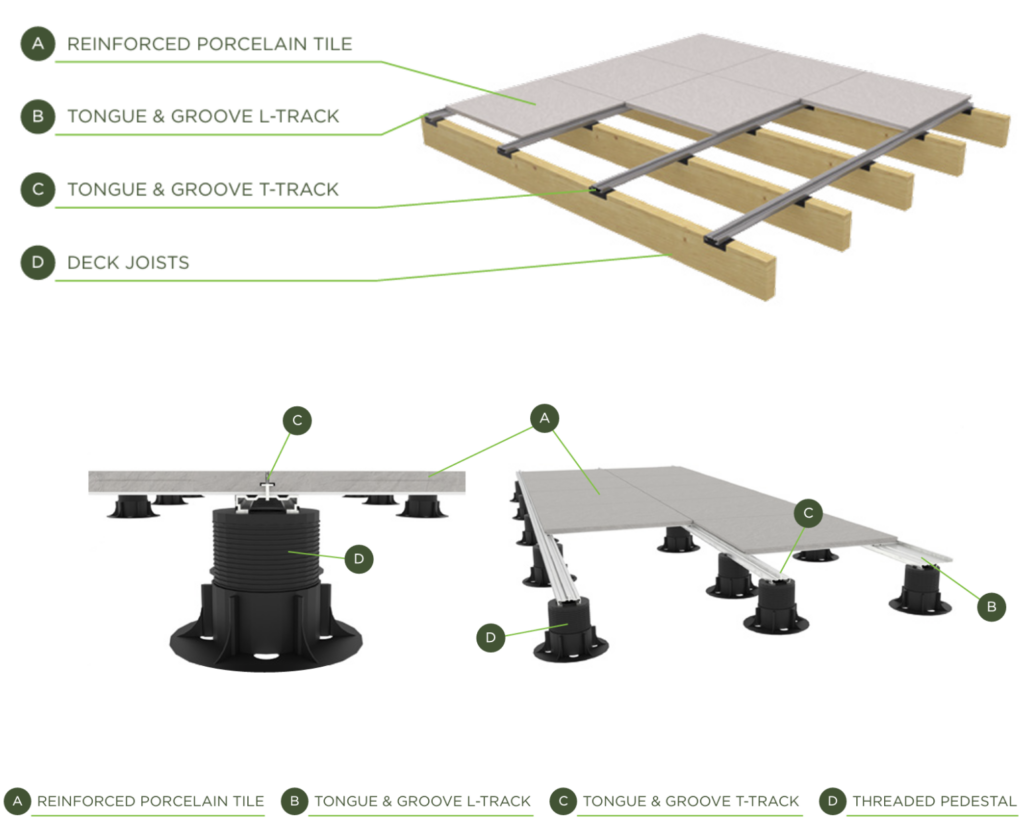
Joist Frame & Rooftop Pedestal System Details | Mbrico
What Mbrico Is
Mbrico is an engineered porcelain deck system designed to function as a single, mechanically integrated structure for joist frame and rooftop pedestal applications.
Key characteristics:
- Patented track system with tongue-and-groove interlock
- Mechanically fastened tiles, not loose-laid
- Zero lateral movement and no independent tile shifting
- Designed load distribution across the entire system
- Built for long-term structural performance
This is not a collection of parts. It is a complete assembly designed to perform as one unit over decades.
Read More: How Mbrico Tile Decks Differ From Traditional Decking
What Tile Tech Is
Tile Tech primarily offers pedestal-supported paver systems.
Key characteristics:
- Individual pavers placed on adjustable pedestals
- Gravity-held system with no mechanical fastening
- Each tile acts independently
- Relies on weight and spacing for stability
- Widely used across rooftop applications
This approach is common in the industry because it is flexible and easy to install.
It is also where most long-term issues originate.
Stability and Movement
Mbrico:
- Tiles are locked into place
- No rocking, wobble, or independent movement
- Eliminates lippage over time
- Maintains a consistent walking surface
Tile Tech:
- Tiles rest on corner pedestals
- Movement can occur under foot traffic
- Susceptible to rocking and shifting
- Lippage can develop as pedestals settle or surfaces wear
For rooftop amenities, hospitality, and multifamily applications, this difference is immediately noticeable.
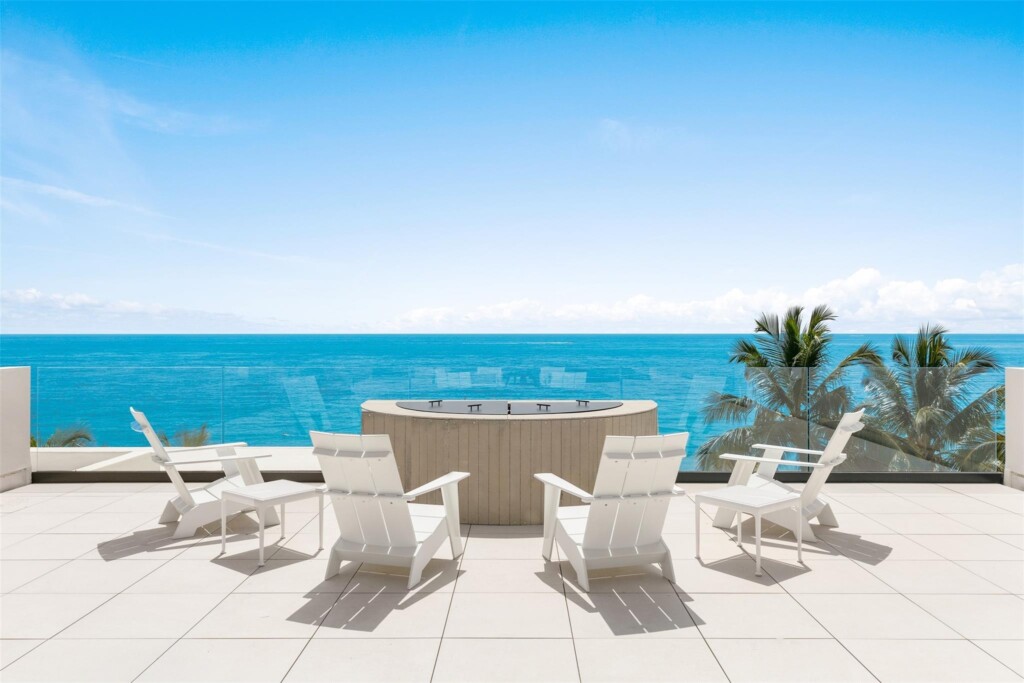
Luxury Waterfront Rooftop | Florida
Wind Uplift Performance
This is one of the most critical differences for rooftop specification.
Mbrico:
- Mechanically fastened system on rooftop pedestals
- Tested under extreme wind conditions
- Designed to resist uplift as a unified structure
- Suitable for high-wind regions including coastal zones
- Miami-Dade Tested and Approved
Tile Tech:
- Relies on paver weight to resist uplift
- May require perimeter restraints or adhesives in high-wind zones
- Performance depends on system configuration and added measures
If the project requires Miami-Dade NOA-level performance or similar wind testing, system design becomes non-negotiable.
Load Distribution and Structural Integrity
Mbrico:
- Load is distributed through the track system
- Not concentrated at pedestal
- Reduces stress on individual tiles and substrate
- Rated for high-load applications (up to 4,500 lbs per tile)
Tile Tech:
- Load is concentrated at pedestal contact points
- Each tile carries its own load independently
- Increased risk of cracking under point loads
For commercial projects with furniture, planters, or high occupancy, this becomes a major factor.
Read More: Why Architects Love Mbrico Tile Decks
Drainage and Water Management
Both systems allow water to pass through the surface.
The difference is how controlled that process is.
Mbrico:
- Integrated spacing designed into the system
- Controlled, consistent drainage paths
- Reduced risk of misalignment affecting flow
Tile Tech:
- Open gaps between pavers
- Drainage depends on placement consistency
- More variability across the installation
Long-Term Maintenance
Mbrico:
- Minimal maintenance requirements
- No shifting tiles to reset
- No pedestal adjustments over time
- System remains fixed and stable
Tile Tech:
- Periodic adjustments may be required
- Pedestals can shift or settle
- Tiles may need to be lifted and reset
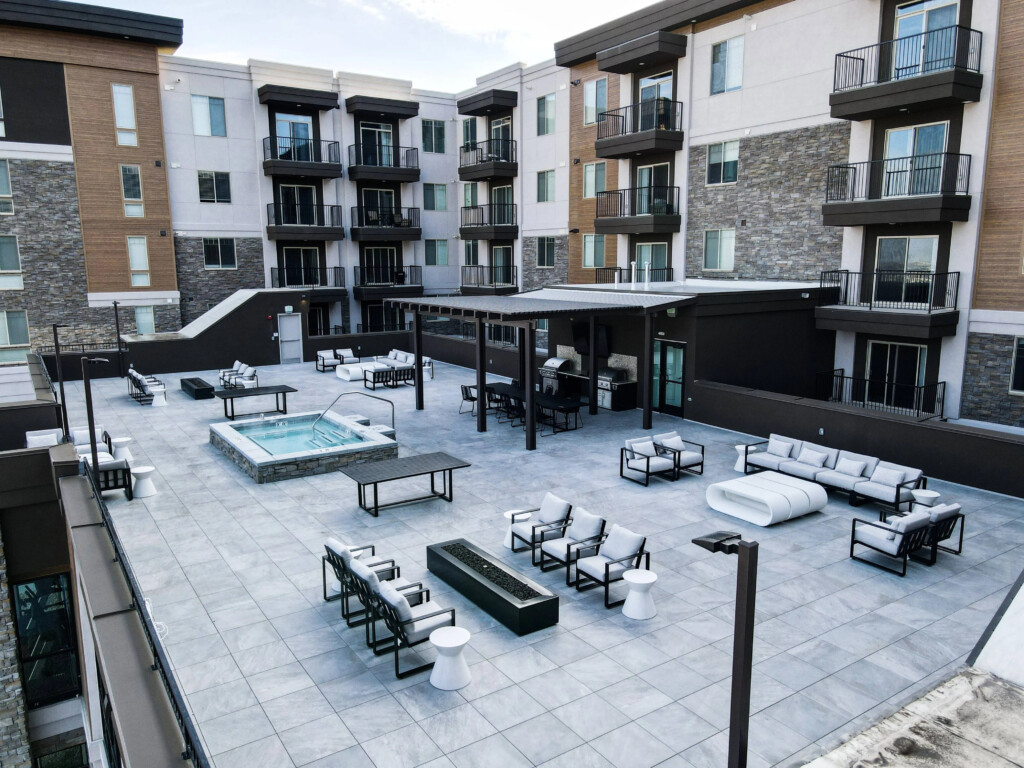
Point of View Apartments | Draper, UT
Installation Philosophy
Mbrico:
- Efficient tongue and groove installation process
- Pedestal system installs up to 30% faster with experienced crews
- Results in a permanent, engineered assembly
Tile Tech:
- Familiar with general crews
- Easier for general crews to deploy
- Less system dependency
Aesthetic and Design Consistency
Mbrico:
- Uniform spacing and alignment
- No drift over time
- Clean, architectural finish
- One-of-one aestethic
- Look will not fade over time
Tile Tech:
- Appearance depends heavily on install precision
- Potential for misalignment or shifting
- Visual inconsistencies can develop
For high-end projects, consistency over time matters more than day-one appearance.
Read More: What Types of Looks Can Mbrico Tile Decks Achieve?
The Bottom Line
Choose Mbrico if:
- The project demands long-term performance
- Wind uplift and structural integrity are critical
- The space is high traffic or high visibility
- You want a true system, not just a surface
Choose Tile Tech if:
- Speed and sticking with the familiar are the priority
- The project is lower risk from a performance standpoint
- Budget or install simplicity outweigh long-term considerations
Final Perspective
Most elevated deck failures do not come from the material itself.
They come from the system, or lack of one.
Mbrico approaches decking as an engineered structure.
Tile Tech approaches it as a modular surface solution.
That difference defines performance, longevity, and risk.
If you are evaluating systems for an upcoming project, review the structural, wind, and long-term performance requirements first.
Then choose the system that is designed to meet them.
Read More: Mbrico Tile Decks vs Composite Decking
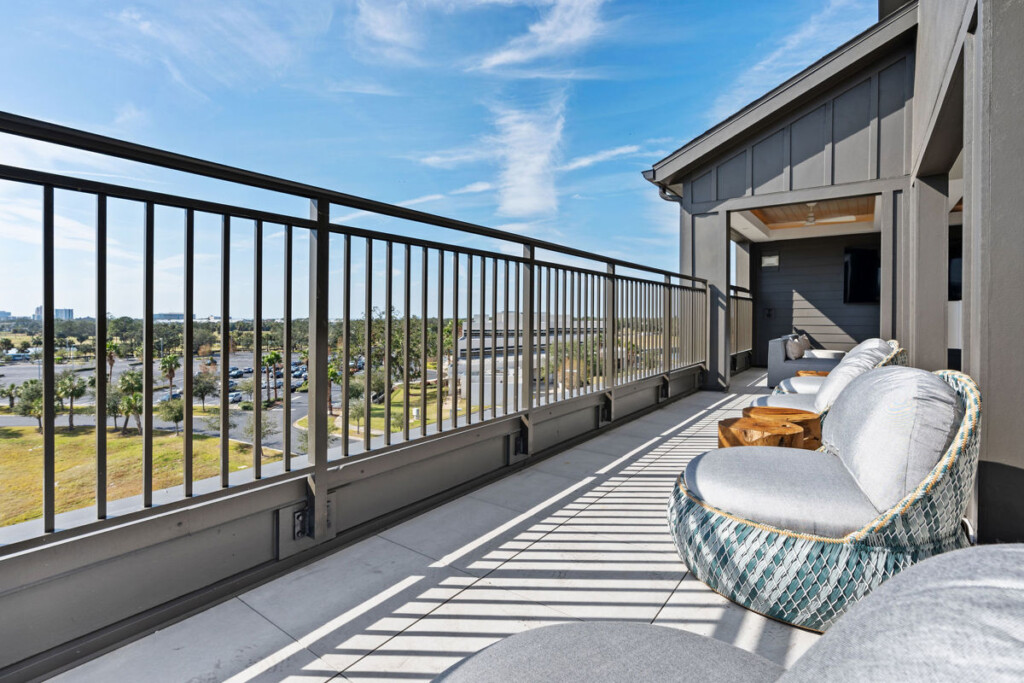
Novel Independence Club | Tampa, FL
Contact Us